 info@psychologymelbourne.com.au
 1300 161 639
Edited by Jill Wright,
Digital Therapy Tools: Enhancing Psychological Care in a Changing World
Digital mental health tools are increasingly supporting psychological care by helping clients practise skills, track progress, and strengthen wellbeing between sessions. While these tools do not replace the therapeutic relationship, they can enhance engagement and reinforce therapeutic work when used thoughtfully.
At Psychology Melbourne, we have long embraced innovations that improve accessibility and continuity of care. We were among the first private practices in Australia to offer video counselling in 2014, expanding access for clients balancing work, family, health, or travel demands. Today, we continue to explore evidence-informed digital supports that complement in-person therapy.
Why Digital Tools Are Gaining Momentum
When integrated into therapy, digital supports can offer:
Improved insight and monitoring
Tracking sleep, mood, or behavioural patterns can inform therapeutic conversations
Used appropriately, these tools enhance — rather than replace — psychological care.
Flow: Supporting Depression Treatment
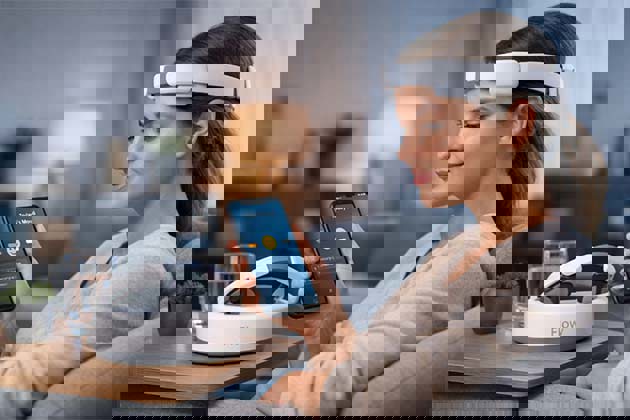
Psychology Melbourne is currently working with the Flow headset, a wearable device that delivers transcranial direct current stimulation (tDCS) to brain regions associated with mood regulation. It is paired with an app providing behavioural therapy guidance and lifestyle support.
Potential benefits may include:
Flow is considered an adjunct support and suitability is assessed on an individual basis.
Bedtime Window: Improving Sleep Through Behavioural Science
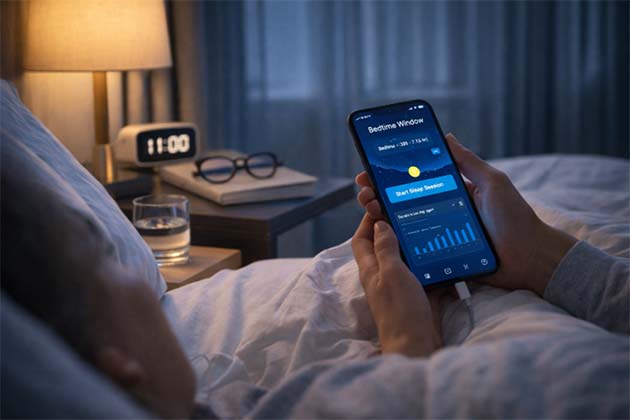
We are also working with Bedtime Window, a behavioural sleep program grounded in Cognitive Behavioural Therapy for Insomnia (CBT-I) — the gold-standard psychological treatment for persistent sleep difficulties.
The approach focuses on:
Improved sleep can contribute to emotional regulation, cognitive clarity, and overall wellbeing
Integrating Technology with Therapy
Digital tools are most effective when used within a therapeutic framework. Psychologists can assist clients to:
A Balanced, Future-Focused Approach
Digital innovations are expanding what is possible in mental health care. From early adoption of video counselling to current work with neuromodulation and behavioural sleep programs, Psychology Melbourne remains committed to integrating evidence-informed tools that support client wellbeing.
Technology works best as a companion to therapy, strengthening — not replacing — the human connection at the heart of psychological care.
Disclaimer
Digital tools and devices described above are intended to support wellbeing and psychological treatment but may not be suitable for everyone. They are not a substitute for professional assessment, diagnosis, or treatment. Individual outcomes vary, and suitability should be discussed with a qualified health professional.
Tags